
Custom Sock Materials
Choose suitable yarns for your custom sock project. Cotton, bamboo, merino wool, polyester, nylon, spandex and recycled yarns each affect softness, breathability, stretch, warmth and durability.
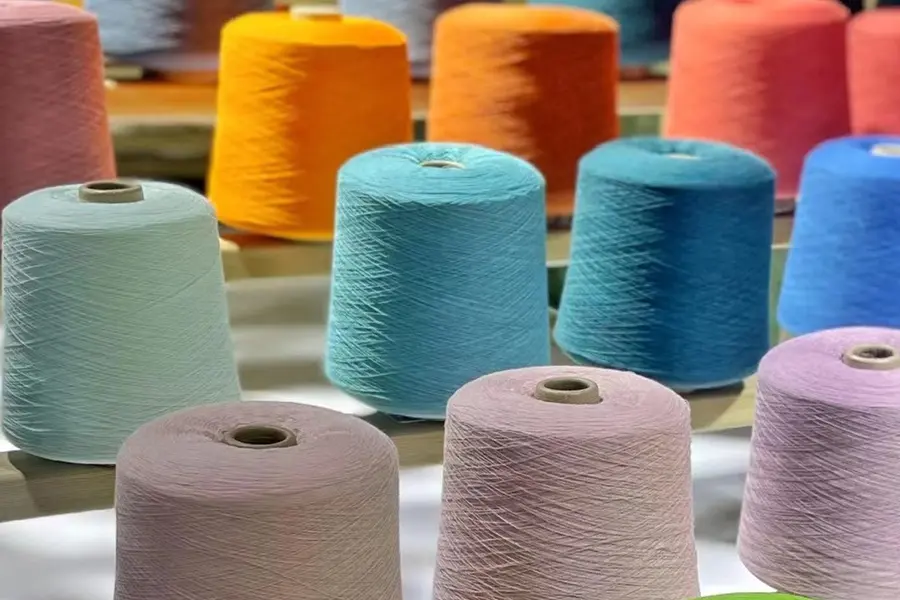
Choose the Right Sock Material
Most socks are made with blended yarns. The right material affects comfort, stretch, shape retention and daily wear. We help you choose a suitable blend based on your product use, design and budget.
Material note: final composition can be adjusted by sock type, order requirements and available yarn options.
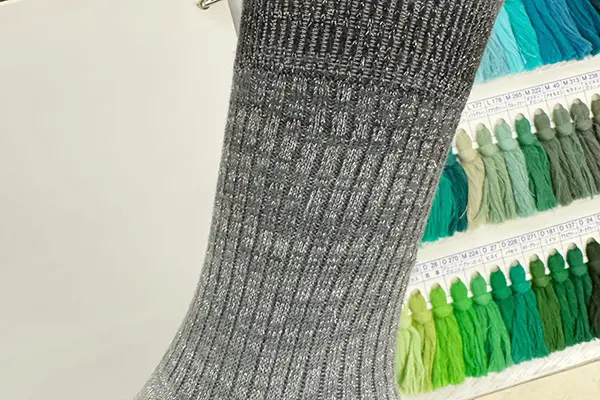
Cotton Blend
A soft and breathable choice for everyday socks. Cotton is usually blended with polyester, nylon or spandex for better strength and fit.
- Soft daily feel
- Good breathability
- Better wear with blends
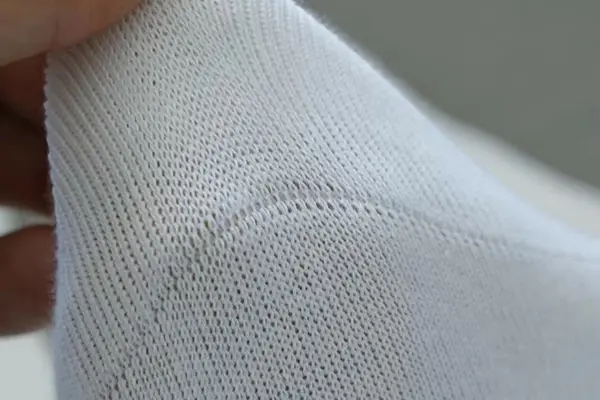
Combed Cotton
Combed cotton has a cleaner and smoother feel than regular cotton. It works well for socks that need a softer cotton touch.
- Smoother cotton feel
- Cleaner yarn look
- Comfort-focused option
Bamboo Blend
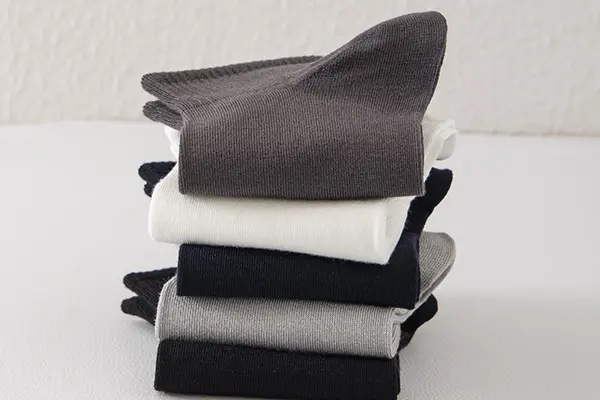
Bamboo blends feel smooth and soft on the skin. They are often mixed with other fibers to improve structure and recovery.
- Smooth soft touch
- Comfortable skin feel
- Needs support fibers
Merino Wool Blend
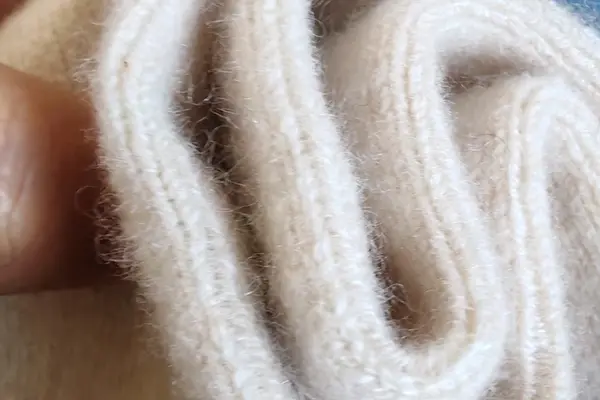
Merino wool blends are warm and softer than regular wool. Nylon or other fibers are usually added for durability and shape.
- Warm soft feel
- Less rough touch
- Blended for strength
Polyester
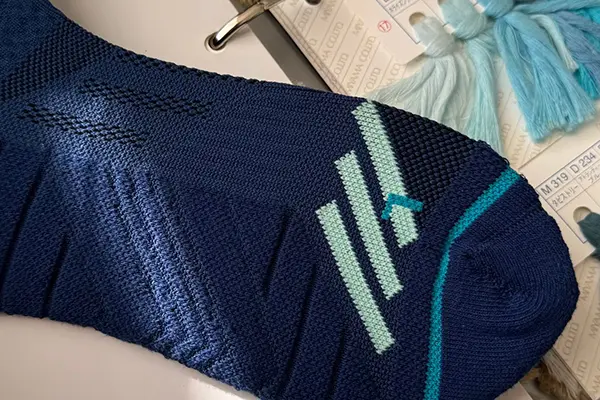
Polyester is strong and stable. It helps socks keep their shape and can support brighter color effects in some designs.
- Durable fiber
- Good shape retention
- Useful in many blends
Nylon
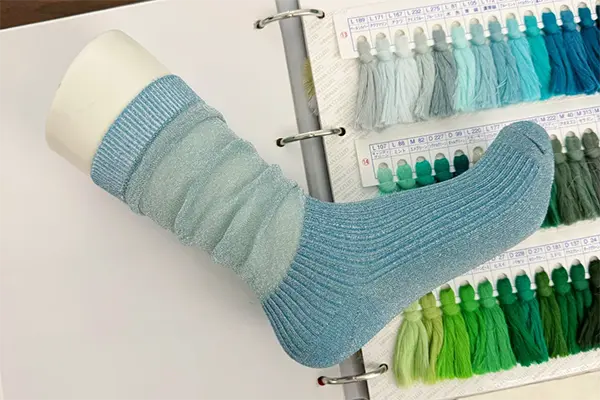
Nylon is often used as a support fiber. It adds strength, flexibility and better wear resistance.
- Adds strength
- Improves flexibility
- Good for wear areas
Spandex / Elastic Yarn
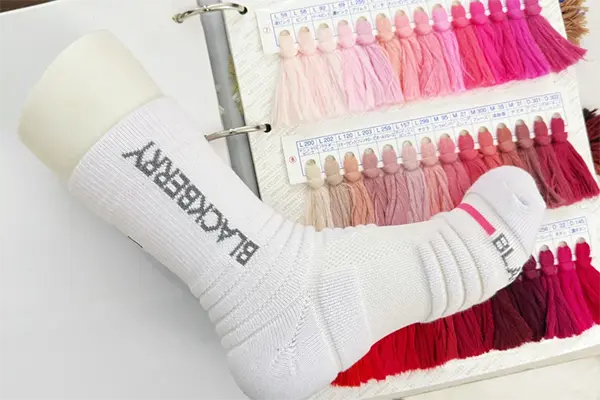
Spandex is added in small amounts to improve stretch, fit and recovery after wearing or washing.
- Improves stretch
- Supports fit
- Helps shape recovery
Recycled Yarn
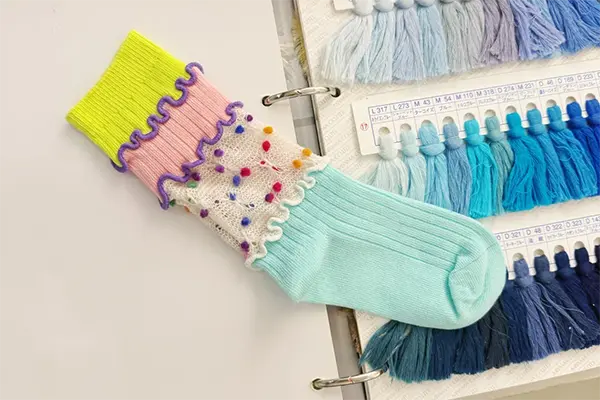
Recycled yarn can be used for buyers who want a more responsible material direction. It should be tested for comfort, color and stability.
- Recycled yarn direction
- Often used in blends
- Needs sample checking
Most Socks Use Blended Yarn
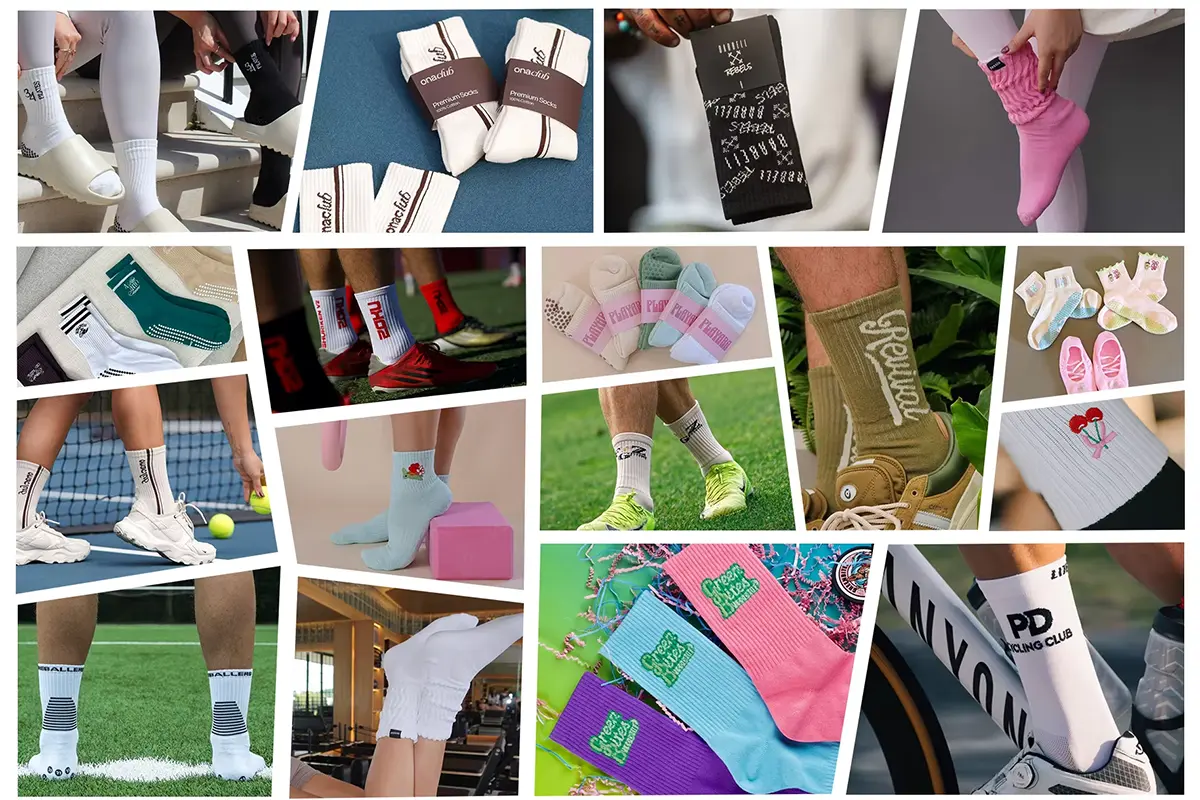
A sock material name only tells part of the story. Cotton may need spandex for stretch. Wool may need nylon for strength. Bamboo may need support fibers to hold shape.
1. Softness
Fiber type, yarn count and finishing all affect the hand feel.
2. Breathability
Cotton and bamboo blends are often used for a cooler, more breathable feel.
3. Stretch
Elastic yarn helps socks fit better and recover after wearing.
4. Durability
Nylon and polyester can add strength and improve shape retention.
Compare Custom Sock Materials
Use this simple comparison to understand the main feel and role of each material direction.
| Material | Main Feel | Main Strength | Material Notes |
|---|---|---|---|
| Cotton Blend | Soft, familiar and breathable | Comfortable daily hand feel | Usually blended with polyester, nylon or spandex to improve stretch and durability. |
| Combed Cotton | Smoother cotton touch | Cleaner yarn feel | A better cotton direction when buyers want a softer and more refined cotton base. |
| Bamboo Blend | Smooth, soft and gentle | Comfort-focused feel | Often blended with support fibers to improve shape, stretch and stability. |
| Merino Wool Blend | Warm and soft wool feel | Better warmth | Commonly blended with nylon or other fibers to improve durability and recovery. |
| Polyester | Stable and practical | Shape retention | Useful as part of a blended material when strength and stability matter. |
| Nylon | Flexible and strong | Abrasion resistance | Often used as a support fiber rather than the main comfort fiber. |
| Spandex | Stretchy and elastic | Fit and recovery | Usually added in small amounts to help the sock stay in shape. |
| Recycled Yarn | Depends on blend | More responsible material direction | Needs checking for hand feel, stability and consistency before larger orders. |
Material Details Worth Confirming
Before choosing a material, it helps to check the fiber blend, yarn feel and basic performance direction. This keeps the material decision practical instead of only choosing by fiber name.
- ✓ Fiber composition and approximate blend direction
- ✓ Hand feel: soft, smooth, warm, firm or elastic
- ✓ Thickness direction and yarn weight
- ✓ Stretch and recovery after wearing
- ✓ Durability and shape retention expectations
- ✓ Recycled or lower-impact yarn requirements if needed
Need Help Choosing a Sock Material?
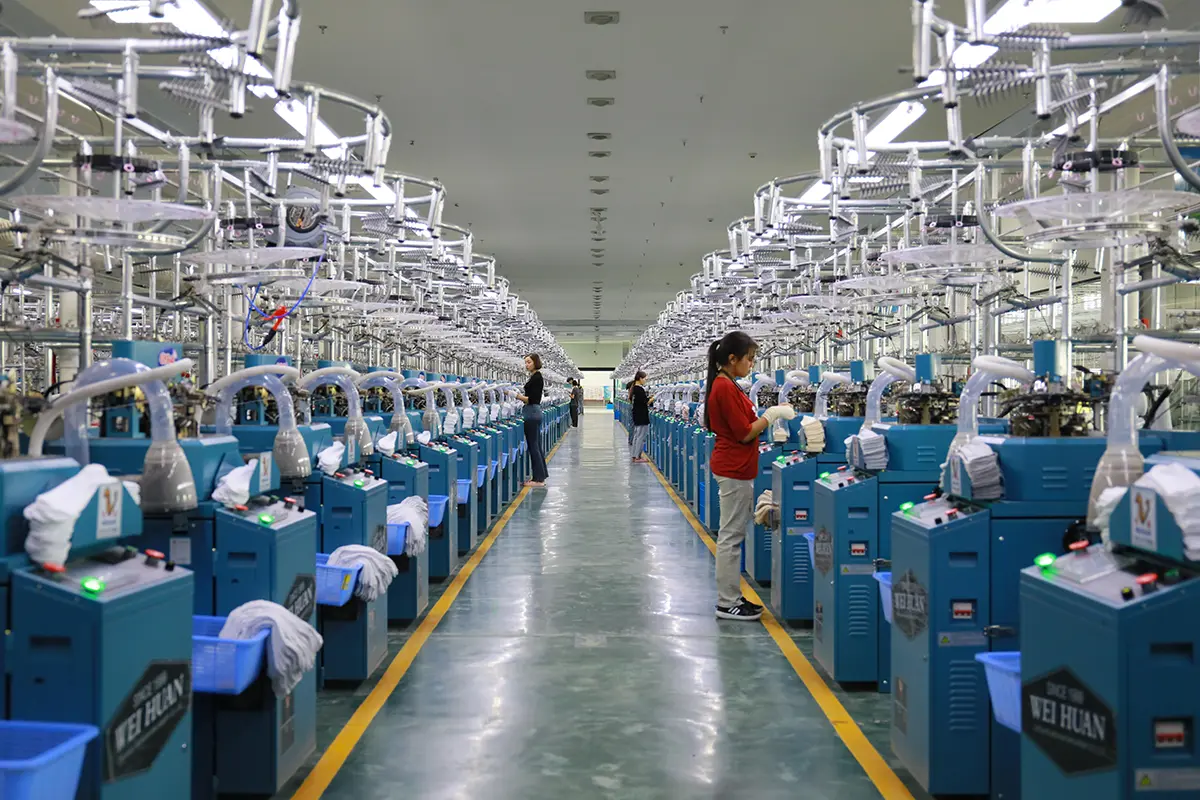
Share the feel you want, the fiber direction you prefer and any requirements for warmth, stretch, breathability or recycled yarn. We can help compare practical material options before production.
Custom Sock Materials FAQ
Answers to common questions about cotton, bamboo, wool, polyester, nylon, spandex and recycled sock yarns.