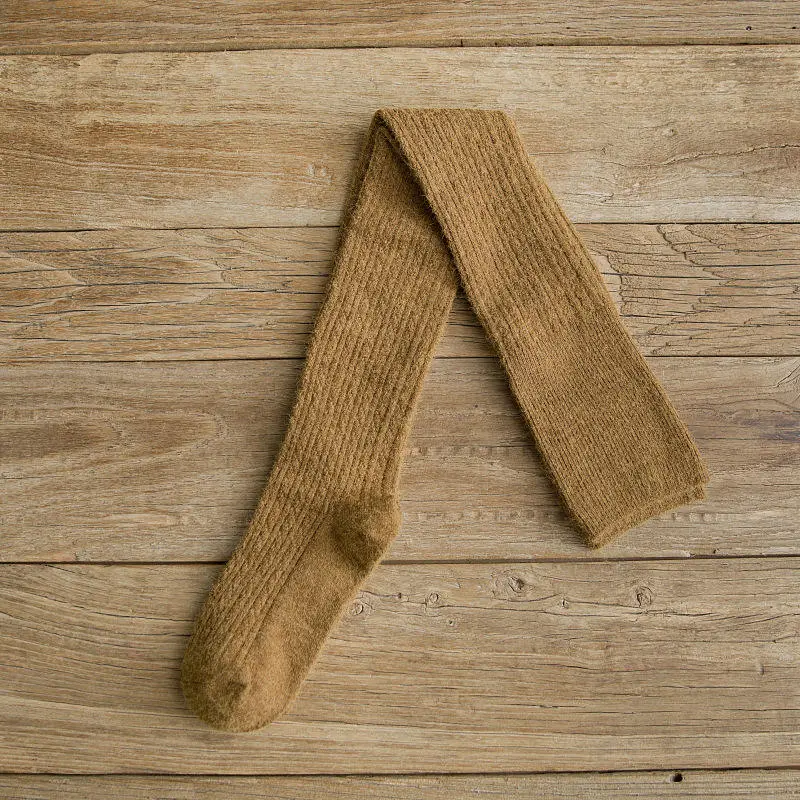
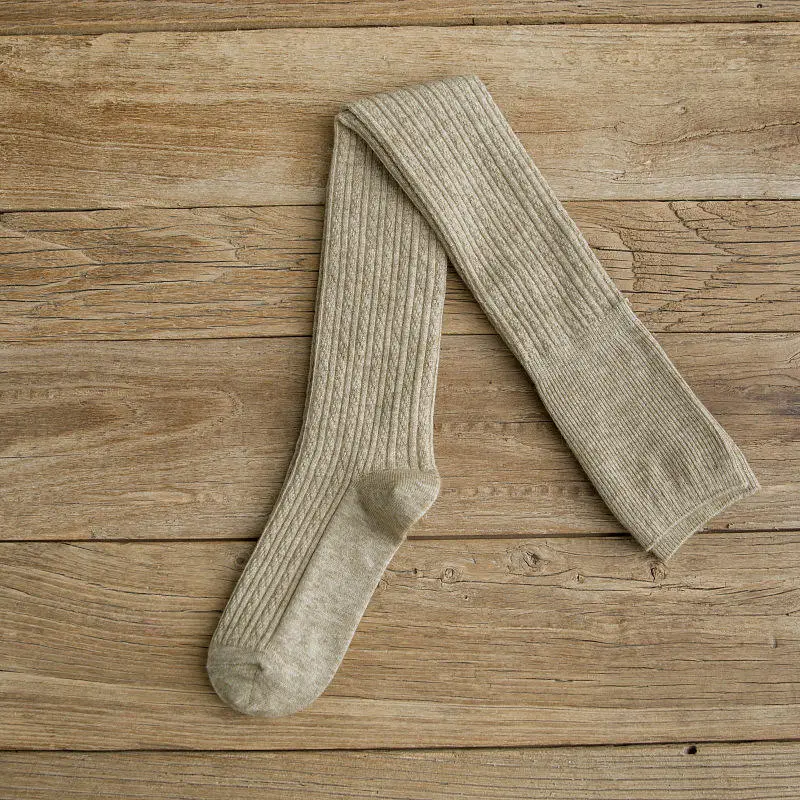
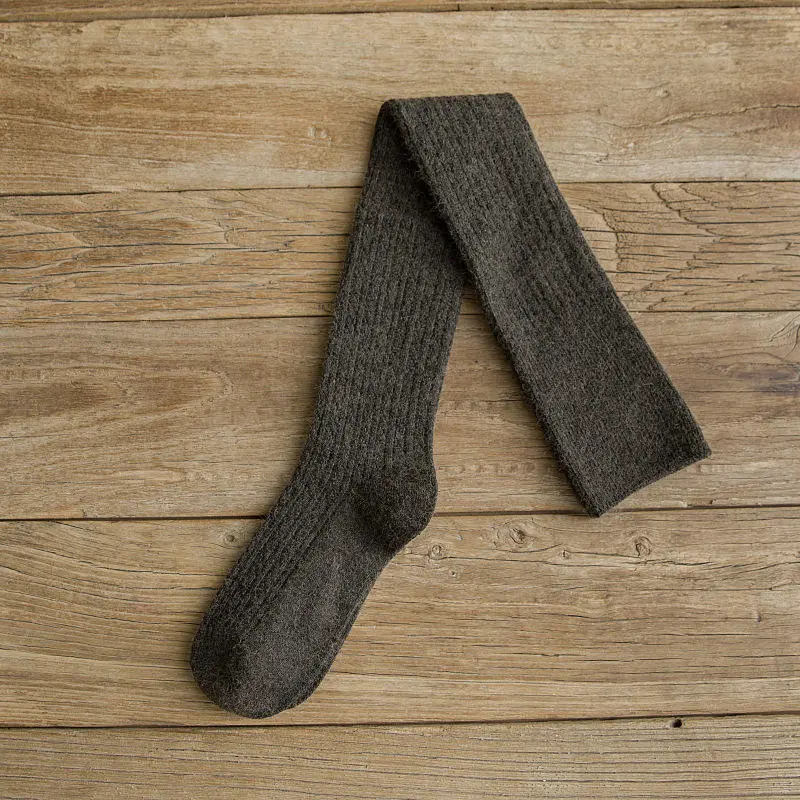
Custom Merino Wool Boot Sock Manufacturing
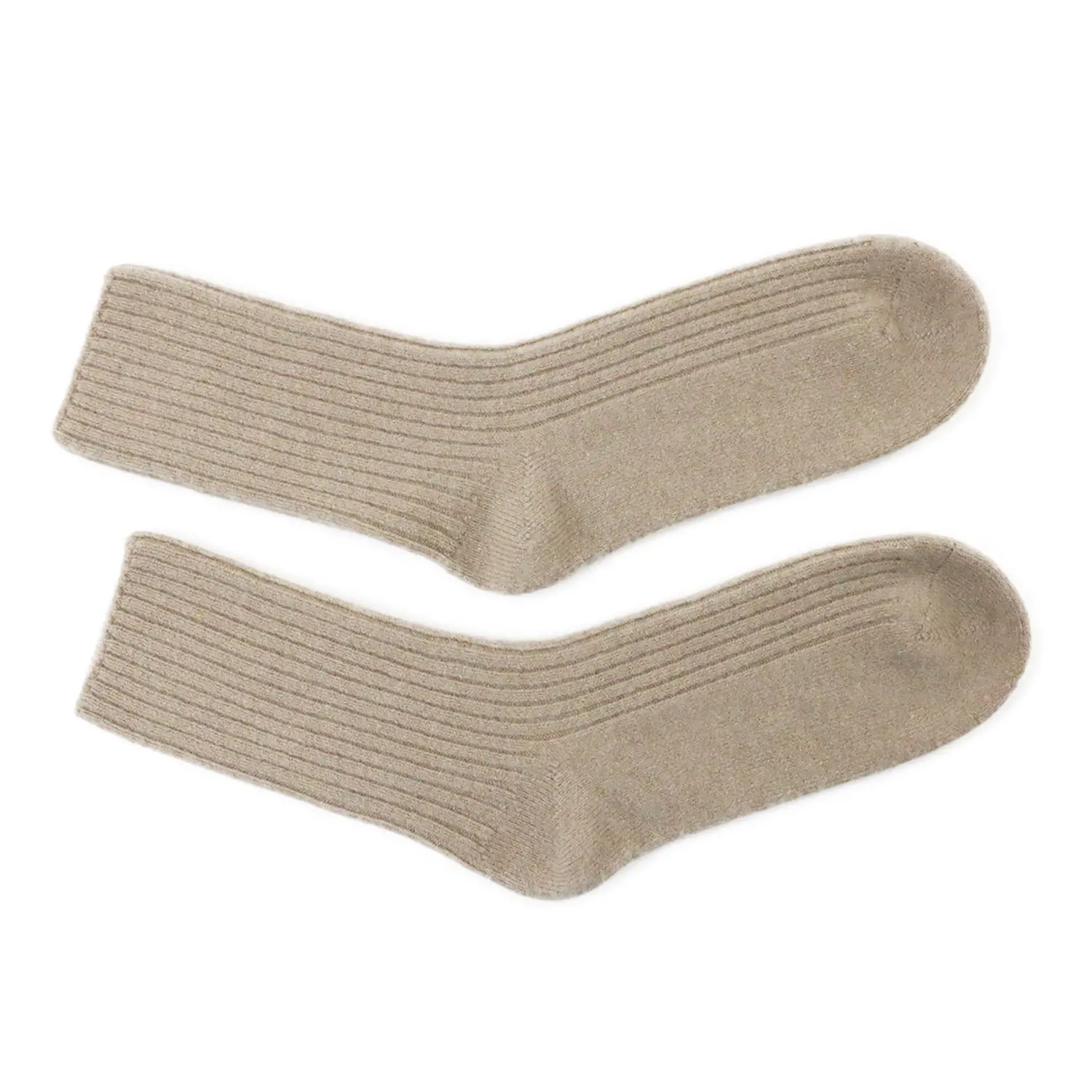
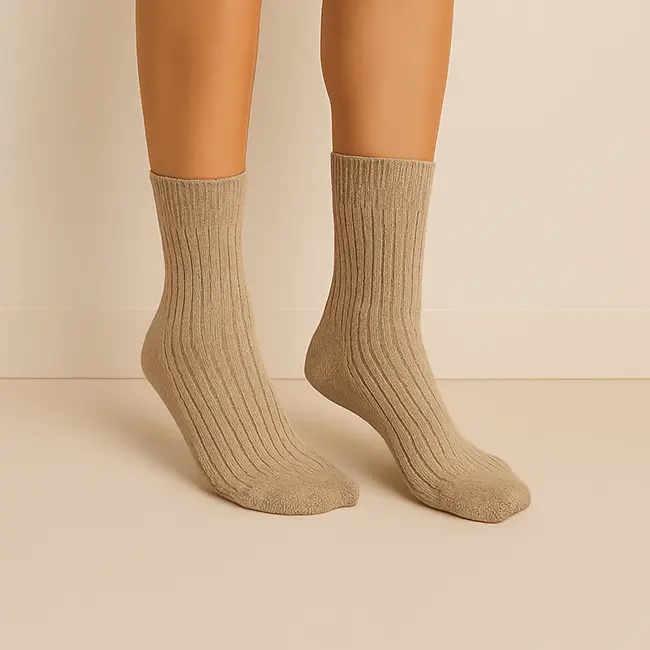
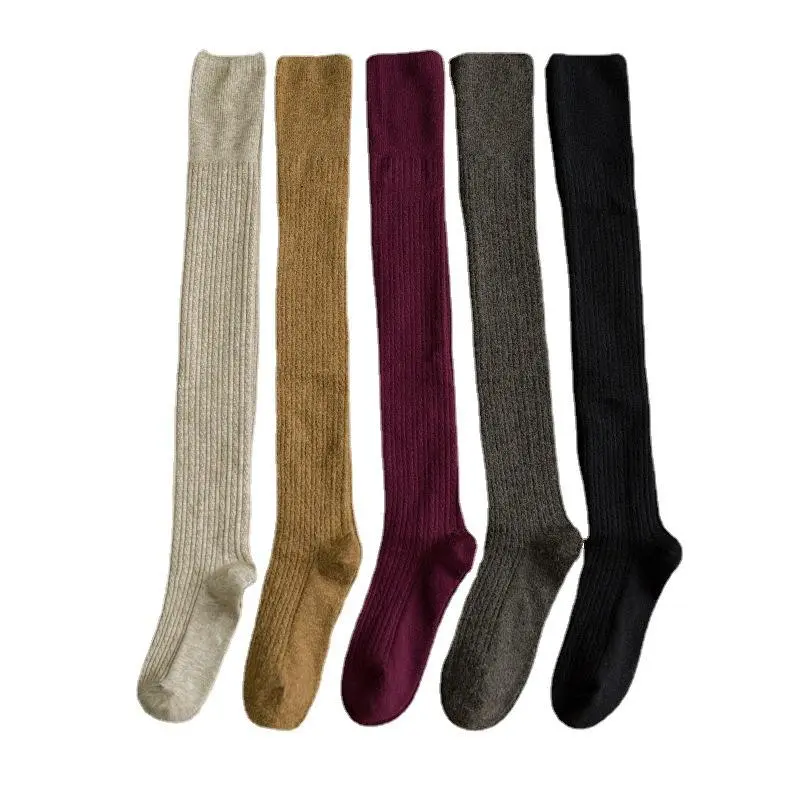
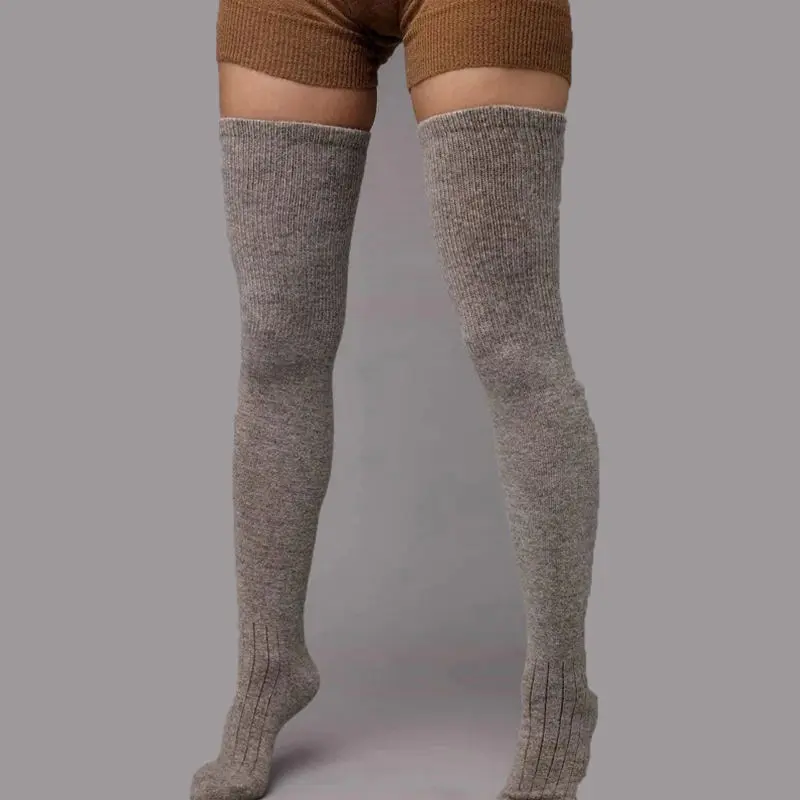
Boot socks need more leg coverage and often more body than a standard crew sock. The sock has to fit inside winter boots without bunching, while still giving the wearer warmth and a stable cuff. For the broader category, compare custom merino wool socks.
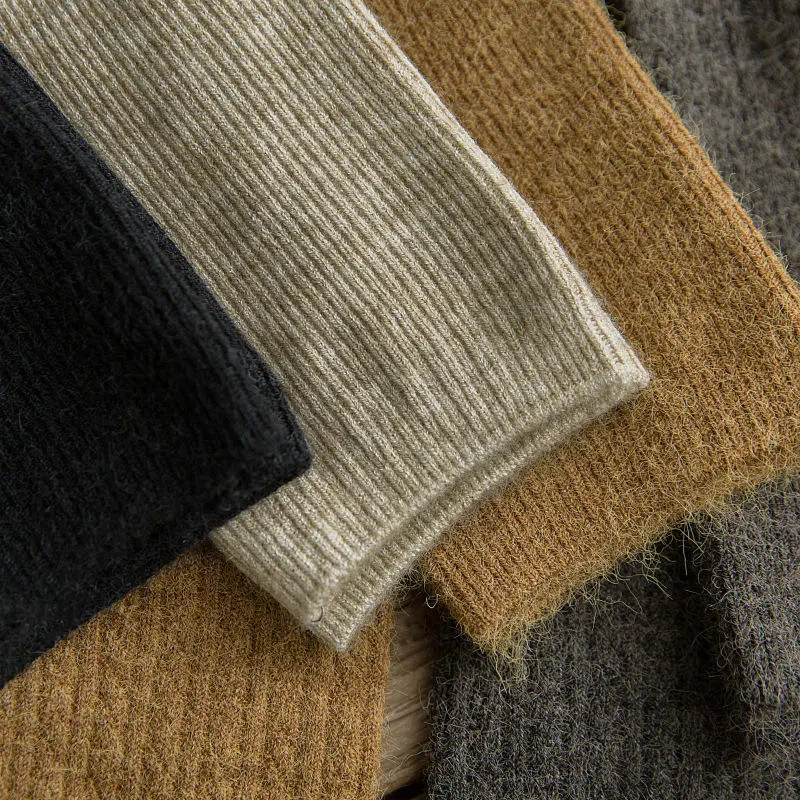
Merino wool is useful for cold-weather positioning, but the final sock depends on the full blend, knit density, terry structure, and reinforcement plan. A heavier sock should still recover after wear.
- Used for winter footwear programs, outdoor shops, workwear gifts, lodge retail, and travel sets
- Boot or mid-calf height helps reduce rubbing from the footwear edge
- Full terry feels warmer; targeted terry can reduce bulk inside the boot
- Heel and toe reinforcement should be considered for heavier wear programs
- Cuff logos, side-leg marks, sole marks, and paper bands are the safest branding areas
- Check the sample in similar footwear for bulk, sliding, cuff pressure, and leg coverage
Boot Fit and Leg Coverage
Boot socks should be high enough to sit comfortably above the footwear edge. If the leg is too loose, it can slide down; if the body is too bulky, it may make boots feel tight. Compare custom merino wool hiking socks if the order is more trail-focused.
Thickness Planning
Thickness should match the target use. A winter retail sock may need warmth and softness, while an outdoor boot sock may need better recovery and reinforced wear areas. Review sock materials before locking the blend.
Boot Sock Order Sheet
The order sheet should fix boot height, wool blend, terry cushion area, thickness, cuff tension, reinforcement request, artwork placement, yarn colors, size range, packaging, and carton marks.